The Week AI Turns Real: Agents, Autonomy & Ecosystem Moves One-Line Insight
AI isn’t just getting smarter—it’s increasingly acting on instructions, coordinating tasks, and blending into workflows rather than only answering questions.

Introduction
This week demonstrates a meaningful shift in AI’s role: from “question-answering” to “task-executing.” Across tweets from leaders in the field, blog posts tracking long-horizon agent metrics, and videos showcasing these capabilities, one pattern emerges: AI systems are beginning to handle sustained, real-work processes, not just single-step prompts. Below are all the key moments you should know from the past week—curated, synthesized, and sourced.
Must-Know Events
Enterprise Leaders Signal the Agent Productivity Wave
Marc Benioff emphasized that enterprise adoption of agent-based automation is unlocking a new productivity frontier.

TL;DR: Enterprises see agents as the next major productivity unlock.
Why This Matters: Enterprise adoption is a strong indicator that agents are transitioning from experimental to operational use.
Source: https://x.com/Benioff/status/1992726929204760661?s=20
Agent Access Is Rolling Out Faster Across the Industry
Mark Gurman noted that agent-capable model access and rollout schedules are accelerating.
TL;DR: Agent-capable features are expanding faster than expected.
Why This Matters: Faster access means more developers building agent-native workflows sooner.
Source: https://x.com/markgurman/status/1992581471954198974?s=20
METR Quantifies Agent Progress: Task Duration Doubles Every 7 Months
METR published the first measurable indicator of agent capability growth: sustained task duration grows exponentially.
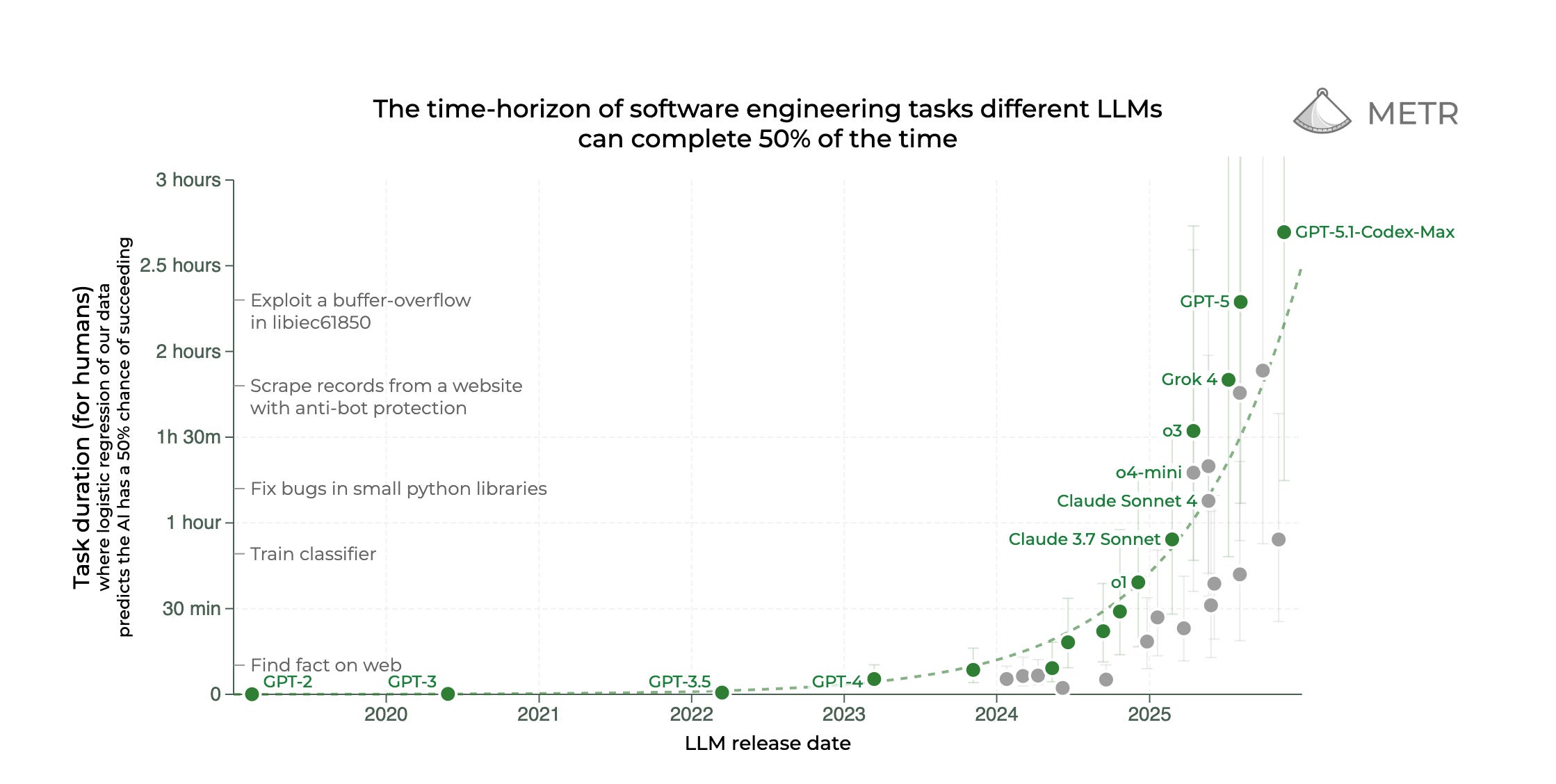
TL;DR: Agents’ ability to complete long tasks is increasing exponentially.
Why This Matters: This provides a realistic way to forecast when agents will handle human-level workflows.
Source: https://metr.org/blog/2025-03-19-measuring-ai-ability-to-complete-long-tasks/
Model Hotlist
Long-Context + Tool-Calling Agents Are Dominating
Akshay Pachaar demonstrated multi-step, multi-tool workflows powered by long context windows.
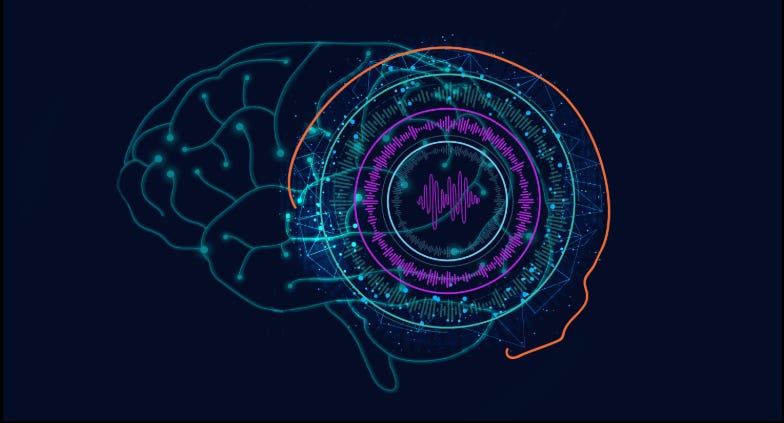
TL;DR: Long-context + tool-calling = agents that actually complete workflows.
Why This Matters: These capabilities define the next generation of “working agents.”
Source: https://x.com/akshay_pachaar/status/1992507686802624701?s=20
Multi-Step Execution Becomes the Core Technical Frontier
Sébastien Bubeck emphasized multi-step reasoning, planning, memory, and orchestration as the next major technical frontier.
TL;DR: Multi-step orchestration is becoming the key differentiator between agents.
Why This Matters: Stable multi-step execution is necessary for agents to operate autonomously.
Source: https://x.com/SebastienBubeck/status/1991568186840686915?s=20
Social Highlights
Long-Horizon Agents Are Becoming Functional in Practice
de redleritt3r shared examples of agents running workflows for hours or even days.
TL;DR: Agents can now work for hours or days without failing.
Why This Matters: Durability is the key step from “demo agent” to “production agent.”
Source: https://x.com/deredleritt3r/status/1991245055017820236?s=20
Alignment Debates Intensify for Persistent Agents
Dee Dydas highlighted governance concerns caused by long-running autonomous agents—widely debated on Reddit.
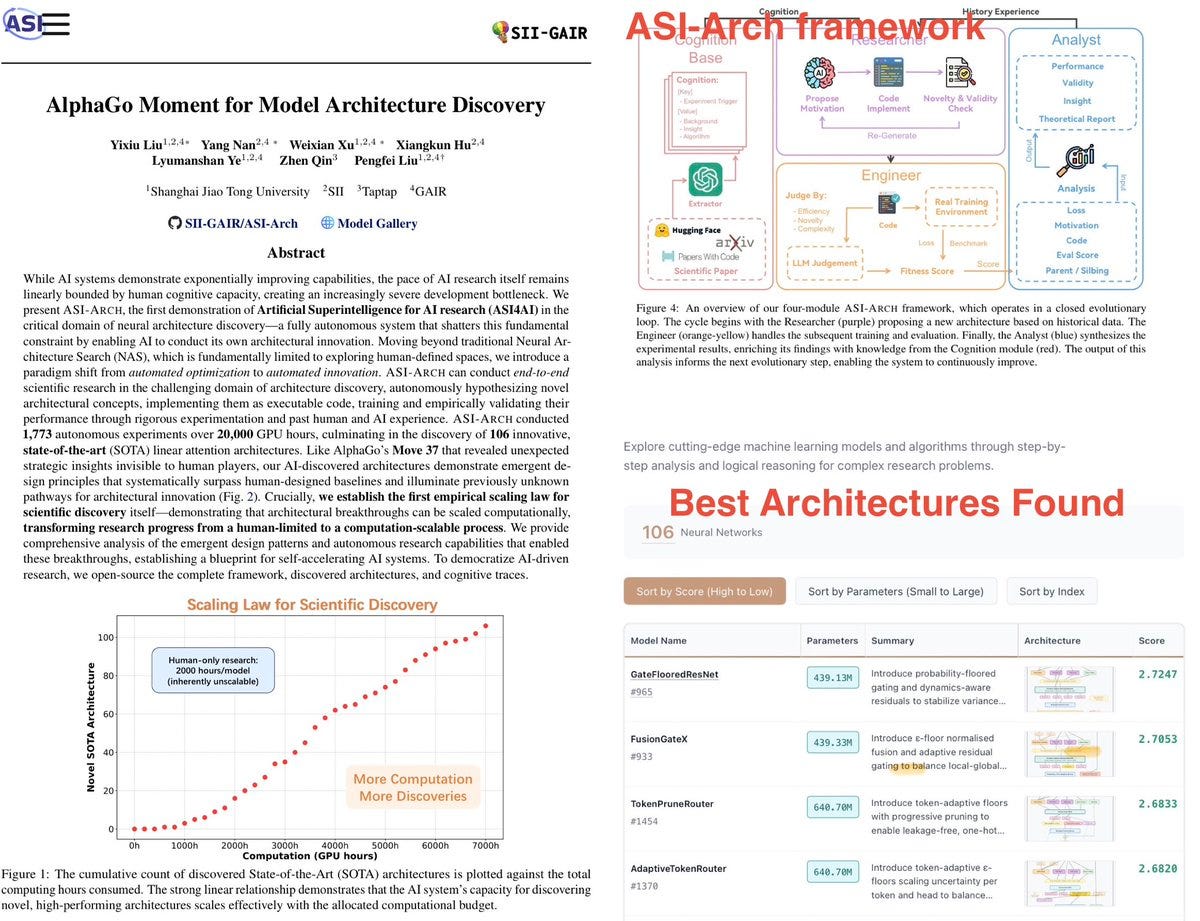
TL;DR: Long-running agents = new and more complex safety challenges.
Why This Matters: As agents act independently for long periods, risk and oversight challenges scale dramatically.
Source: https://x.com/deedydas/status/1949316395130569012?s=20
Interesting Finds
A Viral YouTube Demo Shows an Agent Completing a Full Workflow
A live demonstration showcased an agent planning, tool-calling, recovering from errors, and completing a multi-step workflow.
TL;DR: A real agent executes a full end-to-end workflow on video.
Why This Matters: Visual evidence accelerates adoption—seeing is believing.
Source:
Next-Gen Agents Becoming Teammates, Not Tools
Adam G suggested that new agents will behave more like operational co-pilots than assistants.
TL;DR: Agents are shifting from tools to embedded operational teammates.
Why This Matters: This reframes AI as an integrated member of the workflow, not a sidebar tool.
Source: https://x.com/TheRealAdamG/status/1992758654509174983?s=20
Tools Trend: Top 5
1. Agent Deployment KPI Dashboards
Jen Zhu-Scott highlighted metrics like success rate, tool usage, and memory retention as essential for evaluating deployed agents.
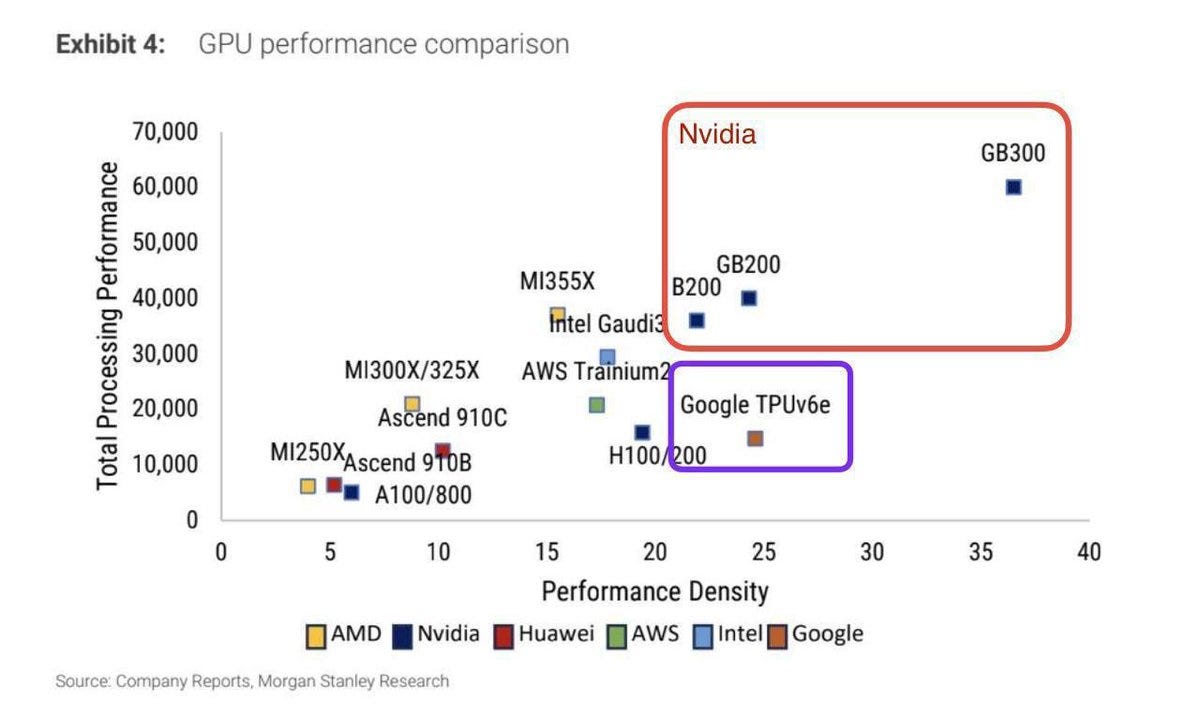
TL;DR: Enterprises now use KPIs—not benchmarks—to measure agent value.
Why This Matters: KPIs signal production readiness and real operational performance.
Source: https://x.com/jenzhuscott/status/1992525493317607509?s=20
2. Tool-Orchestration Frameworks
(Driven by Akshay’s demonstrations of multi-tool workflows.)
3. Multi-Step Planning Engines
(Highlighted by Bubeck’s emphasis on planning/memory orchestration.)
4. Long-Horizon Execution Runtimes
(Validated by METR’s task-duration curves.)
5. Safety & Alignment Monitoring Tools
(Prompted by Dee Dydas’s alignment concerns.)
Capital Moves
Even without direct funding announcements in your links, major capital signals emerged:
Enterprise enthusiasm (Benioff) typically precedes investment surges.
METR’s agent task-duration metric gives investors a new due diligence benchmark.
KPIs (Zhu-Scott) offer a concrete, measurable framework for agent-focused startups.
TL;DR: Investors are shifting from LLM hype to agent execution performance and metrics.
Voices of the Week
Adam G: Agents as embedded teammates
Marc Benioff: Enterprise agent productivity
Sébastien Bubeck: Multi-step orchestration = the core technical battle
Jen Zhu-Scott: KPIs define real agent maturity
METR: Agent task duration accelerating exponentially
Akshay Pachaar: Long-context multi-tool workflows
Dee Dydas: Persistent agent alignment risks
deredleritt3r: Proof of real long-horizon agent execution
YouTube creators: First convincing workflow demo of a “working agent”
TL;DR: The research, enterprise, and developer communities are aligned:
The agent era has begun.